Every year, the same articles show up:
“10 UX trends that will change everything.”
And every year, the same thing happens.
Half of them were already there, and the other half won’t survive the year.
So instead of talking about vibrant colors, glassmorphism, or the latest visual effect with a catchy name, I’d rather focus on what is actually changing.
Because some things are shifting — quietly, but deeply.
Design is becoming smarter, and less visible
UX is no longer just about screens.
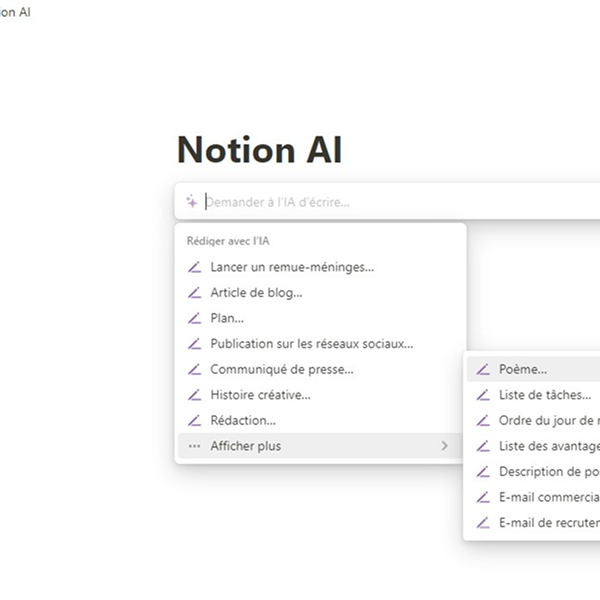
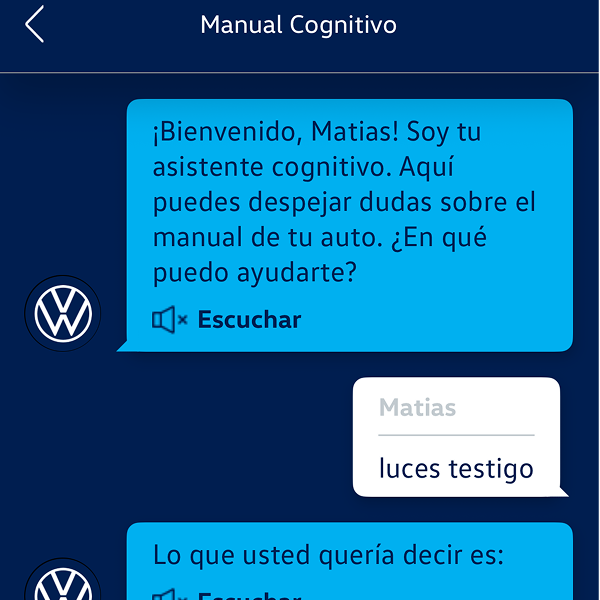
AI is no longer limited to generating images or layouts. It’s starting to think in flows, content, and interactions. It connects context, predicts intent, and fills gaps before the user even notices them.
That forces designers to move from “what do I design?” to “why does this exist at all?”
And that’s where things get interesting.
When interfaces become less visible, decisions become more important. You can’t hide behind visuals anymore. If the experience doesn’t make sense, no amount of polish will save it.

This is where noise separates from judgment.
A return to intentional design
After years of identical screens and generic branding, something is shifting.
The products that stand out aren’t the most minimal or the most refined. They’re the ones with personality. A point of view. A reason to exist beyond “best practices.”
Imperfect layouts. Typography with character. Interfaces that feel human instead of neutral.
Not chaos — intention.
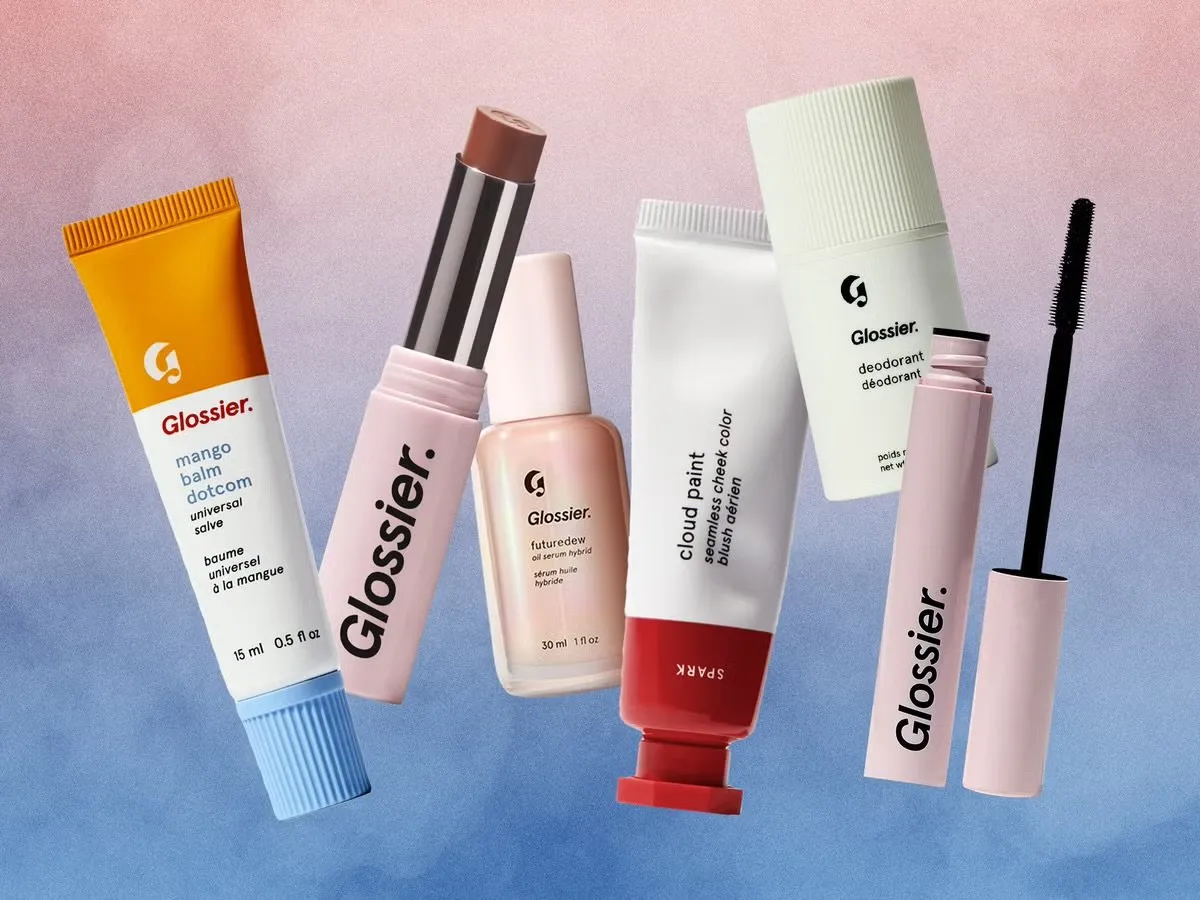
Minimalism isn’t dead, but empty minimalism is. The kind that looks clean but says nothing. UX in 2026 will be less about removing elements and more about making deliberate choices.
UX is moving closer to the business
This one is unavoidable.
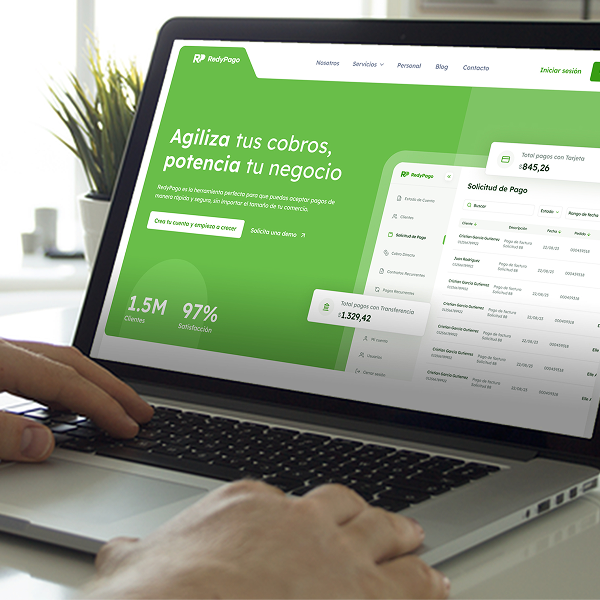
Design is no longer a layer added at the end. It’s part of how products sell, retain, and build relationships. If an experience doesn’t support the business model, it won’t last.
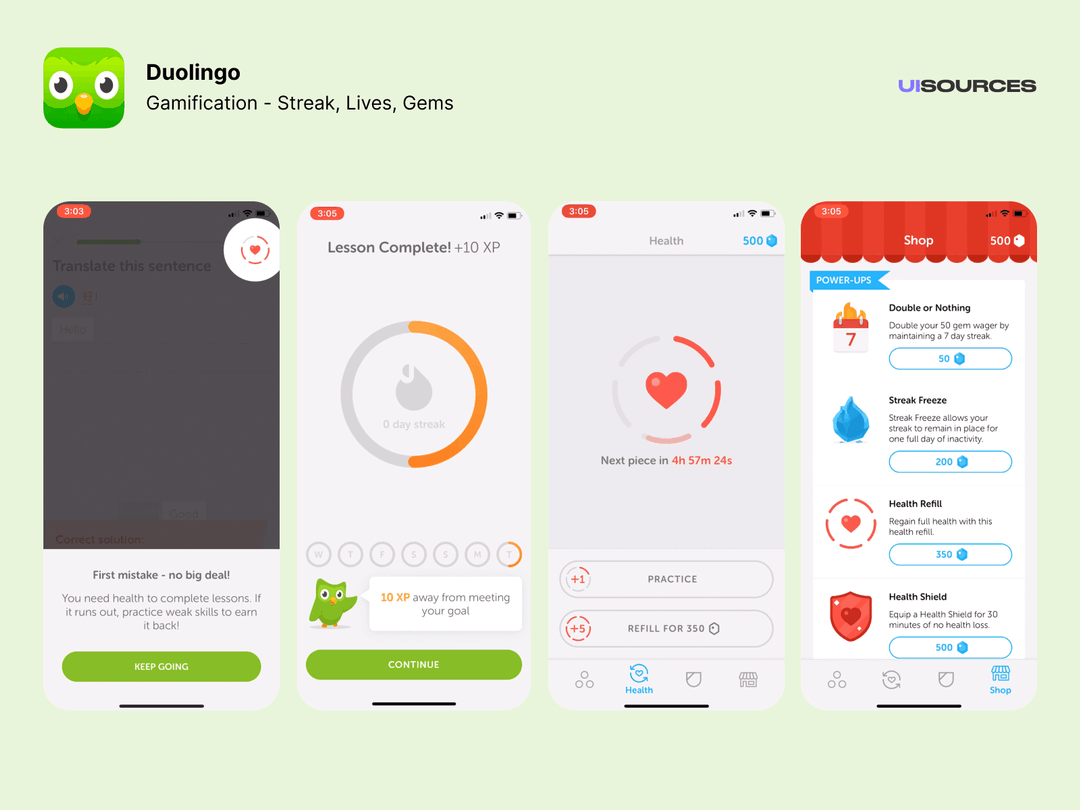
A designer who doesn’t understand metrics, behavior, or incentives will struggle. Not because design is less important, but because it’s more embedded than ever.
Good UX now means understanding trade-offs. Knowing when to optimize friction instead of removing it. Designing not just for users, but for systems.
So, what are the “trends” for 2026?
If I had to summarize them, it would be something like this:
Less fashion. More purpose.
Less aesthetics. More judgment.
Less prompts. More thinking.
The future of UX won’t be prettier.
It will be more conscious.
And honestly, that’s a much harder — and more interesting — challenge.